
What Does Real Sustainability Actually Look Like in the Contract Interiors Industry?
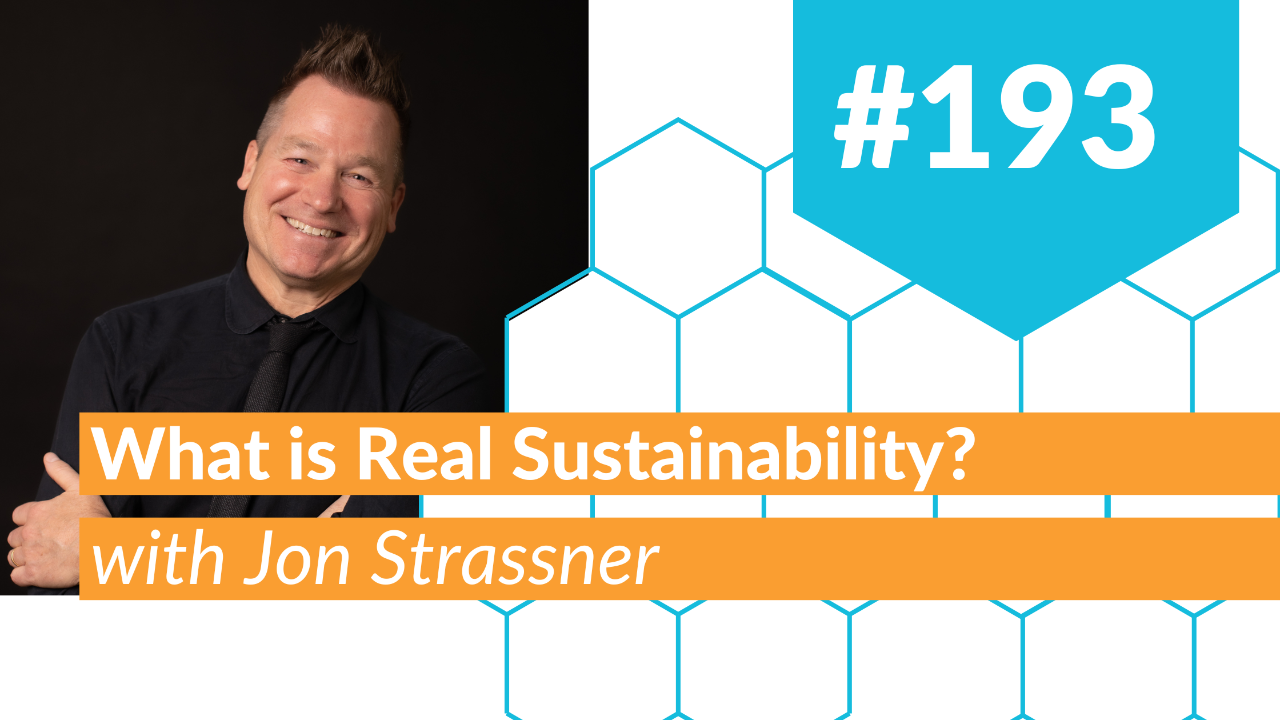
What Does Real Sustainability Actually Look Like in the Contract Interiors Industry?
Sustainability. We all say the word. But what does it actually mean?
Ask ten people in this industry, and you'll get ten different answers. One person thinks certifications. Another thinks recycled content. Another thinks solar panels on the factory roof. Someone else is thinking about social equity and fence-line communities.
That's the problem. And until we fix it, we're just checking boxes we don't fully understand.
The Word Itself Is Part of the Problem
John Strassner, consultant, educator, and host of the podcast Once Upon a Planet, makes a point that hits hard: "sustainability" might be the wrong word entirely.
"If you're sustaining something, that's not really a compliment," he told me on Episode 193 of The Trend Report. What does he prefer? Planet health. It's broader, it's more human, and it actually describes what we're trying to do.
Here's why that matters: when there's no common language, there's no common definition. When there's no common definition, designers check boxes they don't understand, dealers can't have informed conversations with specifiers, and manufacturers, especially small ones doing genuinely good work, get eliminated from projects because they don't have the right label.
Certifications Are Not the Whole Story
I'll be honest. I've asked designers to explain what BIFMA Level 3 means, and I can barely explain it myself. And yet that single checkbox can eliminate 80 to 90 percent of the brands that could compete on a project.
John put it plainly: certifications are a good thing, but not the only thing. An EPD, an Environmental Product Declaration, can take 9 to 12 months and cost $25,000 to $30,000 per product family. That's out of reach for many small manufacturers who are genuinely doing good work. Local sourcing, renewable energy, water conservation, and just haven't checked the certification box yet.
The new BIFMA E3 2024 standard is actually a step forward. It moved from a points-only model to a tier-based milestone system, and here's the key insight John shared: you don't have to pay for the certification to follow the roadmap. The standard itself can guide your progress.
The Echo Chamber Problem
There's one more issue worth naming. The sustainability conversation in our industry happens at Greenbuild, at the Living Future conference, at the WELL conference. The same people, talking to the same people, every year.
Meanwhile, most contract furniture dealers have never heard of Mindful Materials or the Common Materials Framework, tools that could genuinely help bridge the gap between designers and manufacturers.
Until we stop giving planet health its own separate room, and make it part of every conversation, every award, every product spec, we're not going to move fast enough.
John said it directly: "You should never give a design award unless climate health is incorporated into that award." Every award. Not a separate sustainability award tacked on at the end.
So What Do We Actually Do?
If you're a leader in this industry, running a dealership, a brand, or a rep firm, start with one question: Can we be better than we were yesterday?
Not perfect. Better.
Because, as John said, don't let perfect stand in the way of good. The whale sculpture in London's Canary Wharf, made entirely from ocean-recovered plastics, is worth celebrating, even if someone wants to debate the carbon emissions from shipping. Celebrate the companies taking take-back programs seriously, even when the logistics get complicated. Celebrate the small manufacturer following the E3 roadmap, even if they don't have a certification yet.
Stop gatekeeping. Start doing.
Planet Health isn't a certification. It isn't a checkbox. It's a direction, and all of us in this industry are responsible for pointing ourselves toward it.
Episode 193 of The Trend Report is out now — listen wherever you get your podcasts.