
From AI Hype to Real Workflow Execution
There’s no shortage of conversation right now about AI.
Everywhere you turn, something is labeled “AI-powered.” New tools. New platforms. New promises about productivity and efficiency.
But if we’re honest, most businesses in our industry are still dealing with the same challenges. Too many emails. Too many manual steps. Too many places where data has to be re-entered. Too many opportunities for something small to go wrong that creates a much bigger problem later.
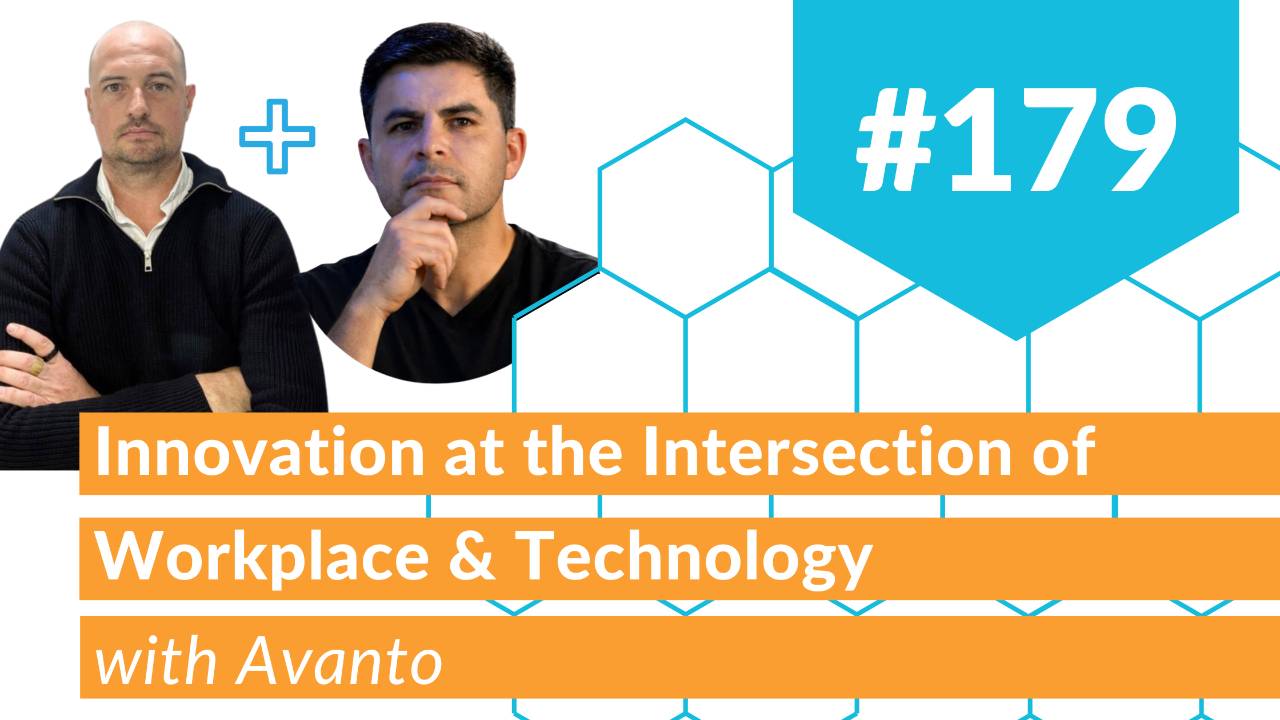
In this episode of The Trend Report, I sat down with Matt Danyliw and Leo Vargas from Avanto to explore what innovation looks like when it’s applied to real workflows, not just talked about in theory.
And what stood out immediately is that their perspective is different. They’re not focused on building better tools. They’re focused on getting work done. Matt shared that Avanto operates at the intersection of workplace, technology, and data. But what matters most is what happens next. How that information actually moves. How decisions get made. How actions get completed.
Because that’s where most of the friction still lives. Leonardo made a distinction that I think every leader needs to understand right now. He talked about the difference between tools and intelligence.
For decades, we’ve used tools to help people do work. Systems that store information, organize it, and make it easier to access. What Avanto is building moves beyond that. They’re operating in what Leonardo calls the "action layer." Where AI doesn’t just assist, it executes. It evaluates requests, gathers information, stages solutions, and moves work forward. With a human still in the loop to review and handle exceptions.
That shift is bigger than it sounds. Because when you look at how work actually flows through our industry, it’s not the complexity of the product that slows things down. It’s the number of steps. A simple request can pass through multiple systems, multiple stakeholders, and multiple rounds of communication before it’s complete. And every step introduces risk. A missed detail. A delayed response. A small error that turns into a costly mistake.
Matt explained that Avanto’s goal is simple. Reduce risk. Reduce cost. Increase efficiency. But they’re doing it by removing friction from the process, not by replacing the people in it.
One example we talked through was something every rep and dealer will recognize. A bid package hits your inbox. You need to review it, interpret it, find alternates, confirm pricing, check lead times, and draft a response. Today, that process can take hours. With the right system in place, much of that work can be evaluated and staged before a human ever touches it. The rep still reviews it. Still owns the relationship. Still makes the final call.
But they’re no longer starting from scratch. And that’s where the real value starts to show up. Not in replacing people, but in giving them back time to focus on what actually matters. Relationships. Strategy. Problem-solving.
Another important theme in this conversation is that technology alone doesn’t fix broken processes. Leonardo was very clear about that. He believes most AI initiatives fail because companies start in the wrong place. They look for where to apply AI instead of understanding how their business actually works. He calls it operational clarity.
If you don’t understand your current workflows, adding AI will not solve your problems. It will just automate confusion. Matt reinforced that idea with a simple but powerful shift in thinking. Instead of asking, “Where can I use AI?” he suggests asking, “What am I trying to accomplish?” That question forces you to focus on outcomes instead of tools. And once you’re clear on the outcome, the path forward becomes much easier to define.
What I also appreciated is that Avanto isn’t trying to disrupt the industry by replacing the existing ecosystem. They’re working to connect it. Dealers. Manufacturers. Rep groups. Installers. End users. Matt believes that real innovation happens when those stakeholders are aligned and working from better information, not when they’re competing against each other. Because at the end of the day, our industry still runs on relationships. Technology should support those relationships, not complicate them.
As we wrapped up, Leonardo talked about what excites him most about the future. He believes we’re heading toward AI-native operations. Companies that don’t just layer AI onto existing systems, but build their entire way of working around autonomous workflows. For some organizations, that shift will feel gradual. For others, it will feel like a leap. But it’s coming faster than most people think.
My final thought? There’s a lot of noise right now around AI. But this conversation reminded me that the real opportunity isn’t in the technology itself. It’s in how we choose to apply it. If we use AI to simply make our current processes a little faster, we’ll see incremental gains. But if we step back and rethink how work actually happens, where the friction lives, and what outcomes we’re really trying to achieve, the impact becomes much more meaningful. Because innovation isn’t about adding more tools. It’s about removing what’s getting in the way.
So here’s the question I’ll leave you with.
What process in your business would you want an AI agent to take over first?
Recent Posts