
Cold Calls, Chair Boxes, and Better Questions
Some of the most useful conversations in our industry don’t come from carefully scripted panels or polished presentations. They come from honest quick reactions. From questions asked without knowing exactly where the answer will land. From moments where people stop performing and start thinking out loud.
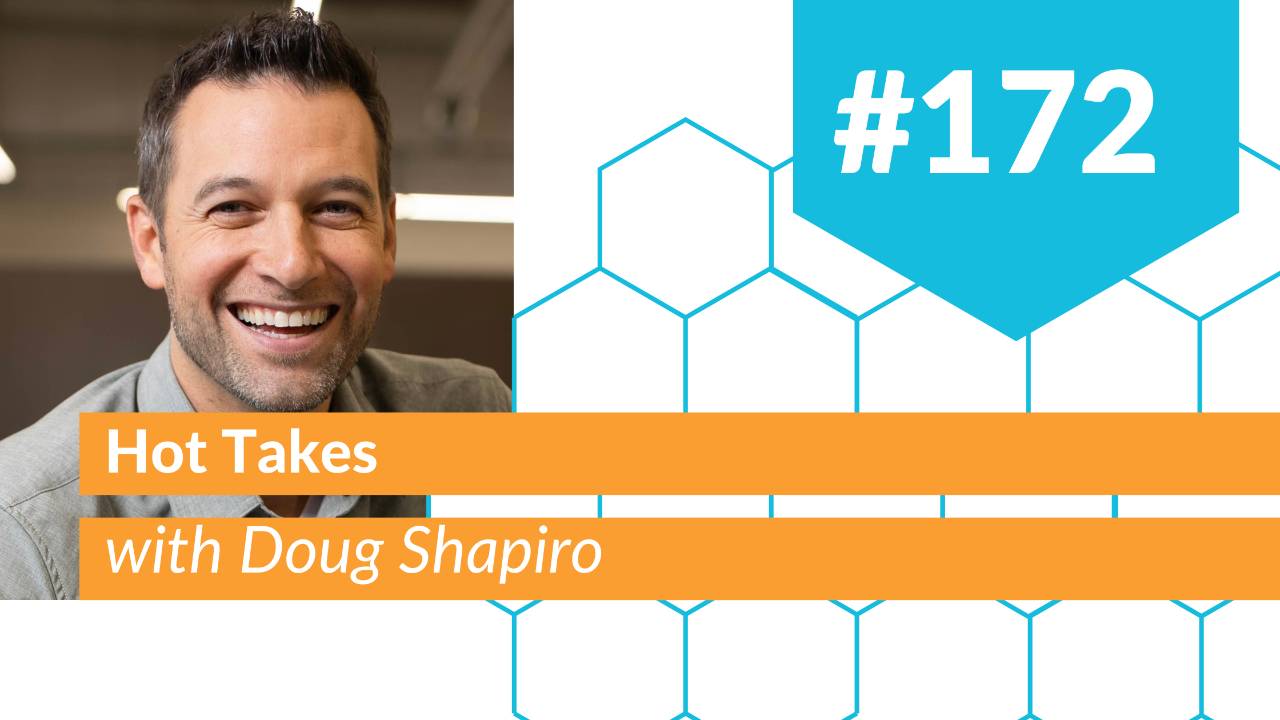
That’s the spirit behind Hot Takes, and it’s exactly what made Episode 172 with Doug Shapiro such a sharp and timely conversation.
Doug, who serves as Vice President of Sales at JSI, joined me for a fast moving, unscripted discussion about how we sell, how we train, and what really matters in a business that has become increasingly complex. The format is simple for these new episodes. We spin a wheel filled with industry questions and whichever one it lands on is the one we react honestly to.
One of the first questions we tackled was whether cold calling is dead. Doug’s response landed quickly and stayed with me. He questioned whether cold calling was ever truly alive in the first place. Not because outreach does not matter, but because relationships have always been the real driver of growth in our industry. The return on hours spent dialing without context is hard to justify when those same hours could be invested in developing trust, understanding networks, and building credibility. The takeaway was not that outreach disappears, but that it has evolved. Intentionality matters. Research matters. Context matters.
From there, the conversation turned to what feels more outdated right now. The traditional showroom model or the way we train salespeople? Training took the spotlight. Not because showrooms no longer matter, but because learning has not kept pace with how people actually work and the evolution in technology. Attention spans are shorter. Schedules are tighter. The idea that sales teams need to step away from their markets for days at a time to absorb information is increasingly disconnected from reality. Training has to be accessible, flexible, and relevant. Bite sized content. On-demand access. Learning that fits into the rhythm of real work.
What stood out was the idea that it is not just the delivery of training that needs to change, but the content itself. Too often, we default to features and benefits. Measurements. Adjustability. Specifications. Doug made the point that the real story of a product is written while it is being designed. Why it exists. What problem it solves. Who it is meant to serve. When that story is missing, training becomes transactional instead of meaningful. And, selling a product without a story is increasingly difficult to do.
Another question cut straight to the heart of the sales process. If you could remove one step or tradition from how we sell furniture today, what would it be? For me, it’s the bid process. An outdated system that consumes enormous time and resources while creating the illusion of fairness and value. Doug added another layer by calling out list pricing as a tradition that creates more confusion than clarity. Inflated lists, deep discounts, and opaque pricing structures often distract from what clients actually care about. Outcomes. Trust. Partnership.
The final question really brought everything together. What do we really sell? It's not really furniture. We’re really selling trust and care. We solve problems. Helping clients create environments that improve satisfaction, productivity, and performance. The challenge is that too often we skip the most important part of that process. Asking why. When someone asks for a hundred chairs, the real opportunity lies in understanding what is happening in their business that created that need in the first place. Curiosity opens doors. It turns transactions into conversations and quotes into solutions.
This episode was a great reminder that progress in our industry rarely comes from sweeping reinvention. It comes from asking better questions, challenging old habits, and being willing to rethink what we have always done. It's not about having all the answers. It is about being honest enough to question the systems we operate within and curious enough to imagine better ones. That is where real change starts.
Ready to jump into the conversation? Let me know if you have any of your own Hot Takes or leave a question using our open mic!